

StepChange supports companies across the packaging and converting value chain – from fiber to finished product – to improve competitiveness, drive innovation and deliver measurable performance improvements.

Industries
DEEP INDUSTRY EXPERIENCE – WE UNDERSTAND YOUR CHALLENGE
Our specialization
StepChange builds on deep roots in the forest products sector combined with broader manufacturing and adjacent service expertise, to develop tailored solutions that improve business performance.









We develop collaborative solutions with and for our customers. Our broad-based industry insights and specialization combined with our collaborative approach is the basis for successful implementation.
Packaging and Converting
Sustainable materials, evolving demand, and end-customer driven value chains
Packaging and converting are at the center of the shift toward more sustainable, customer-driven solutions. Demand continues to grow – particularly in containerboard and cartonboard – driven by e-commerce, plastic substitution, and increasing requirements on design, functionality, and efficiency across the value chain.
The packaging and converting industry has been undergoing fundamental change. Growth in e-commerce and shifting consumer behavior continue to drive demand for corrugated packaging, while folding cartons remain a key solution for primary packaging across food, beverage and consumer goods.
At the same time, sustainability has become a defining factor. Containerboard has emerged as a core material for modern, fiber-based packaging solutions, supported by ongoing substitution of plastics where feasible. While not all applications can be replaced and composite materials remain relevant, the overall direction is clear: demand for paper-based packaging continues to grow despite inherent cyclicality in the industry.
Cartonboard (boxboard) and containerboard segments alike are benefiting from this structural shift, even as market volatility, raw material dynamics and competitive pressure remain key challenges. In parallel, converting and printing play an increasingly critical role in enabling product differentiation, brand impact and functionality across a wide range of substrates.
Success requires more than scale – it demands cost competitiveness, operational excellence, supply chain integration and the ability to innovate in response to fast-changing customer needs.
(read more...)
(read less...)

Tissue and Hygiene
Consumer-driven growth, operational excellence, and brand differentiation
Tissue sits at the intersection of commodity production and consumer goods. While demand grows steadily, success depends on combining cost competitiveness with strong retail, marketing and supply chain capabilities.
The tissue and hygiene sector continues to show stable long-term growth, driven by population development, rising living standards and increasing hygiene awareness. Demand spans both at-home and away-from-home segments, with emerging markets remaining key growth drivers while mature markets grow more modestly.
Unlike other fiber-based segments, tissue is deeply embedded in the FMCG value chain. Success therefore requires not only operational efficiency, but also strong capabilities in branding, category management, retail execution and customer engagement. At the same time, tissue remains a global commodity business, with significant exposure to input cost volatility and cyclical pulp markets.
The industry is characterized by a combination of large international players and numerous regional producers. Lower capital barriers compared to other paper segments, combined with structurally attractive demand, have led to ongoing consolidation, with M&A playing a key role in shaping the competitive landscape.
A defining feature of the sector is the ongoing shift between branded products and private label. Private label continues to gain share globally, driven by retailer power and price sensitivity, while brand owners must actively defend their positions through innovation, marketing and differentiated value propositions.
In parallel, companies must manage increasing complexity across supply chains, product portfolios and customer requirements – balancing cost, service levels and innovation across both branded and private label segments.
(read more...)
(read less...)
StepChange supports tissue and hygiene companies across the full value chain, from M&A and integration to operational improvement and commercial strategy. We help clients strengthen competitiveness and succeed in an increasingly consumer-driven and retail-focused environment.

Pulp
Scale, cyclicality, and global cost leadership
Pulp is one of the most cyclical and capital-intensive segments of the fiber value chain. Success is driven by scale, cost position and access to raw materials in an increasingly concentrated global market.
Pulp markets remain inherently cyclical and volatile, driven by global supply-demand imbalances, raw material dynamics and macroeconomic factors. As one of the most upstream segments of the value chain, closely linked to fiber availability, pulp is particularly exposed to market swings.
Over the past decades, the industry has undergone a significant geographic shift. New investments have been concentrated in the southern hemisphere – particularly in South America and Southeast Asia – leveraging fast-growing eucalyptus plantations to produce low-cost hardwood pulp. Today, eucalyptus-based pulp dominates global capacity additions, while northern hemisphere softwood pulp continues to play a critical role but sees limited new capacity expansion.
At the same time, end-use demand has structurally shifted. Tissue has become the largest offtaker of market pulp, replacing the historical dependence on graphic paper. This transition, combined with growing demand for hygiene and packaging applications, continues to shape the industry.
Scale and cost leadership are decisive. New pulp mills require multi-billion-dollar investments, reinforcing high barriers to entry and contributing to a globally concentrated industry structure. Large players dominate, competing primarily on cost position, fiber access and operational excellence.
Against this backdrop, pulp producers must continuously optimize production costs, ensure raw material security and manage increasingly complex global supply chains.
(read more...)
(read less...)

Graphic & Specialty Papers
Transformation, consolidation, and growth in specialty segments
A mature industry undergoing structural change with declining graphic paper demand and growing specialty segments. Success requires decisive portfolio choices, cost competitiveness and the ability to capture new growth opportunities.
The paper industry has undergone profound transformation over the past decades. Demand for graphic and publishing grades continues to decline due to digital substitution, driving consolidation, capacity closures and ongoing restructuring across the sector. For graphic paper producers, success depends on aligning capacities with demand, improving cost positions and executing complex transformation programs. This often requires bold decisions, from asset optimization to closures and restructuring, to ensure long-term competitiveness and future-proof the business.
At the same time, specialty papers represent a growing and increasingly attractive segment. Driven by changing customer needs and sustainability trends, specialty producers are expanding into niche applications where fiber-based solutions can substitute alternative materials. This creates opportunities for growth, but also increases portfolio complexity and demands stronger customer focus, innovation and go-to-market capabilities.
In this environment, companies must balance operational excellence with strategic clarity, managing decline in commoditized segments while building and scaling differentiated specialty positions.
(read more...)
(read less...)
StepChange supports paper companies across both segments, from strategy definition and growth planning to operational improvement, restructuring and asset consolidation. We help specialty producers strengthen their market approach and manage portfolio complexity, while enabling graphic paper players to execute transformation and improve cost competitiveness. Across all situations, we support bold decisions that future-proof the business.
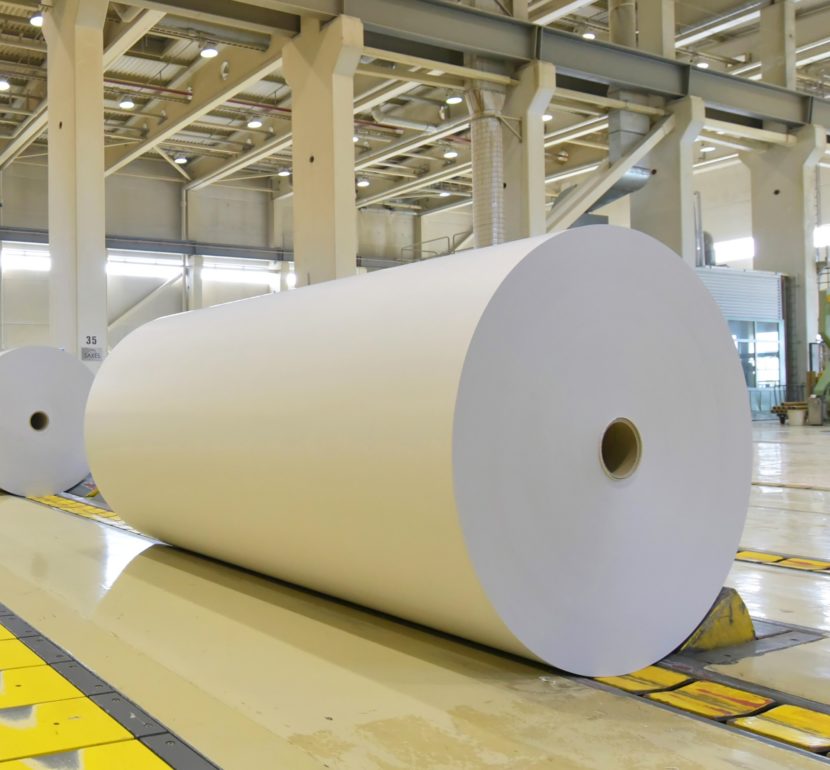
Recovered Paper
Critical raw material, circular value chains, and supply security
Recovered paper is a globally traded commodity and the backbone of circular packaging. As the primary raw material for carton- & containerboard, it combines cost efficiency with sustainability, but requires active sourcing strategies in a volatile and competitive market.
Recovered paper has become the essential raw material for the majority of global carton-/containerboard production, making it a cornerstone of the circular packaging value chain. It enables cost-efficient production while meeting increasing sustainability requirements from customers, regulators and end consumers.
Continental Europe, and particularly Germany, has been at the forefront of recycling and recovery systems, achieving some of the highest collection rates globally. Other regions have followed, recognizing recovered paper as a valuable resource that supports both economic and environmental objectives.
Despite its importance, the market for recovered paper is highly competitive, cyclical and price volatile. Supply and demand fluctuate significantly, driven by macroeconomic conditions, packaging demand and regional collection dynamics. At the same time, underlying demand continues to grow, increasing pressure on available volumes.
For paper producers, securing reliable access to recovered paper at competitive cost is critical. Supply security is essential, but not at any price. This requires clearly defined sourcing and procurement strategies, balancing long-term access, cost position and flexibility.
The sector itself is characterized by diverse strategic approaches. Some producers operate their own recycling and collection divisions, while many rely on strong trading capabilities. A significant share of collection and sorting is managed by large waste management companies, reflecting the close link between recovered paper and broader waste streams. Local regulations and infrastructure further shape market dynamics and strategic choices.
In this complex environment, companies must define the right approach for their footprint and market position.
(read more...)
(read less...)
StepChange supports paper and waste management companies across the recovered paper value chain – from strategy definition and M&A to optimizing collection, logistics and trading processes. We also implement digital tools and analytics solutions to improve transparency, forecasting and pricing decisions.
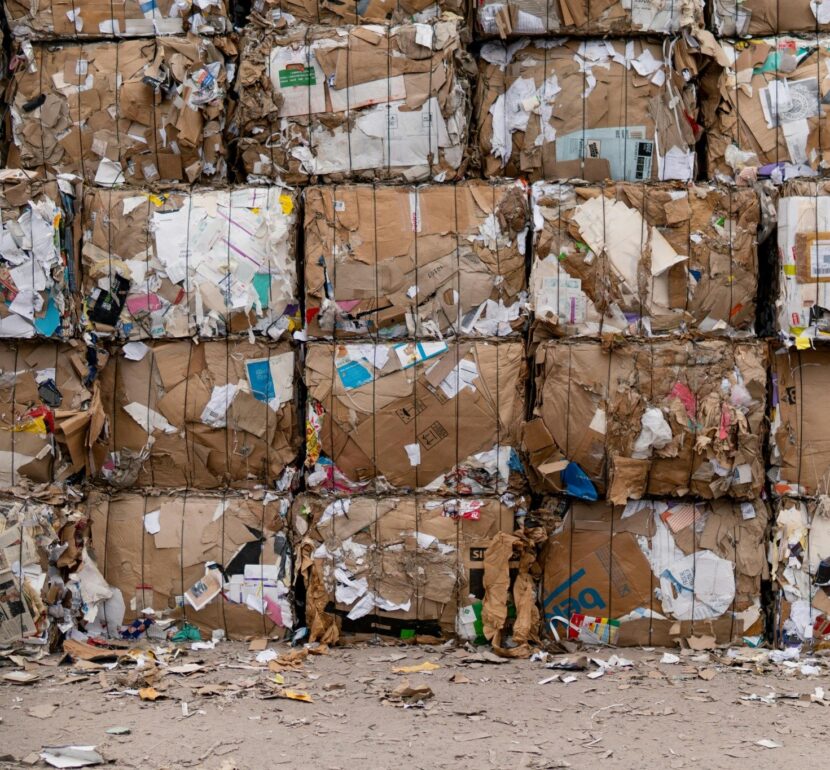
Forestry & Wood Products
Resource management, cyclicality, and value creation closer to the customer
Forestry and wood form the foundation of the fiber value chain. A regionally diverse and cyclical sector, success depends on securing raw materials, optimizing operations and moving closer to the end customer to capture value.
Forestry and wood products are at the beginning of the value chain and increasingly at the center of the transition toward renewable, fiber-based materials. At the same time, the sector remains highly regional, with fragmented ownership structures coexisting alongside large integrated players.
In forestry, value is primarily driven by resource management. Constraints on wood availability, increasing competition for fiber – including from biomass and energy sectors – and longer sourcing distances are shaping the landscape. Digitalization is playing a growing role in improving transparency, efficiency and planning across forest operations.
Wood products markets are closely linked to construction activity and are therefore highly cyclical, with recurring supply-demand imbalances and structurally thin margins across most phases of the cycle. To capture higher value, many players are moving closer to the end customer through forward integration, product innovation and stronger market positioning – particularly in areas such as engineered wood and interior applications.
Across both segments, companies must balance long-term resource management with operational excellence, cost competitiveness and clear strategic positioning in increasingly competitive markets.
(read more...)
(read less...)
StepChange supports forestry and wood products companies from strategy, M&A and investment decisions to operational improvement, supply chain optimization and digital transformation from forestry to downstream wood products. We help clients reduce costs, improve performance and strengthen their market position across the value chain.

Paper Trade & Merchanting
Balancing global markets, driving efficiency, and redefining roles
Paper trading remains a critical link in the global value chain, balancing regional supply and demand in a low-margin, efficiency-driven business that is gradually redefining itself.
Paper trade and merchanting have undergone significant change over the past decades. As traditional graphic paper volumes declined, many merchants have had to reinvent their strategies, expanding into new product segments, services and trading models to remain relevant in a shifting market environment.
Despite these changes, the sector continues to play a vital global role. Traders act as key intermediaries, balancing supply and demand across regions and serving as arbitrators in international markets. This function remains essential in an industry characterized by regional imbalances, logistical complexity and cyclical demand patterns.
The sector itself is highly fragmented, with a mix of large international players and numerous smaller, often privately or family-owned companies. At the same time, ongoing consolidation and M&A have been driven by the need for scale, global reach and stronger market positioning.
Trading margins are structurally low, making operational efficiency and optimized logistics setups critical for success. Companies must continuously improve processes, manage working capital and ensure reliability across increasingly complex supply chains.
While many industries have seen rapid adoption of digital trading platforms, paper trading has remained relatively traditional due to its specific product characteristics, customer relationships and logistical requirements. However, the potential for digitalization is increasing, offering opportunities to enhance transparency, efficiency and decision-making.
(read more...)
(read less...)

Other Industrial Sectors
Value assessment and capture
StepChange supports companies operating in complex production environments where operational performance, process efficiency, and supply chain reliability determine outcomes.
Based on 20+ years of hands-on experience across manufacturing, from strategy to shop floor operations, StepChange is able to extract value across any industrial setting.
Building on its roots in process industries, StepChange brings proven reference cases from a broad range of sectors, including automotive, food processing, dairy, and industrial products.
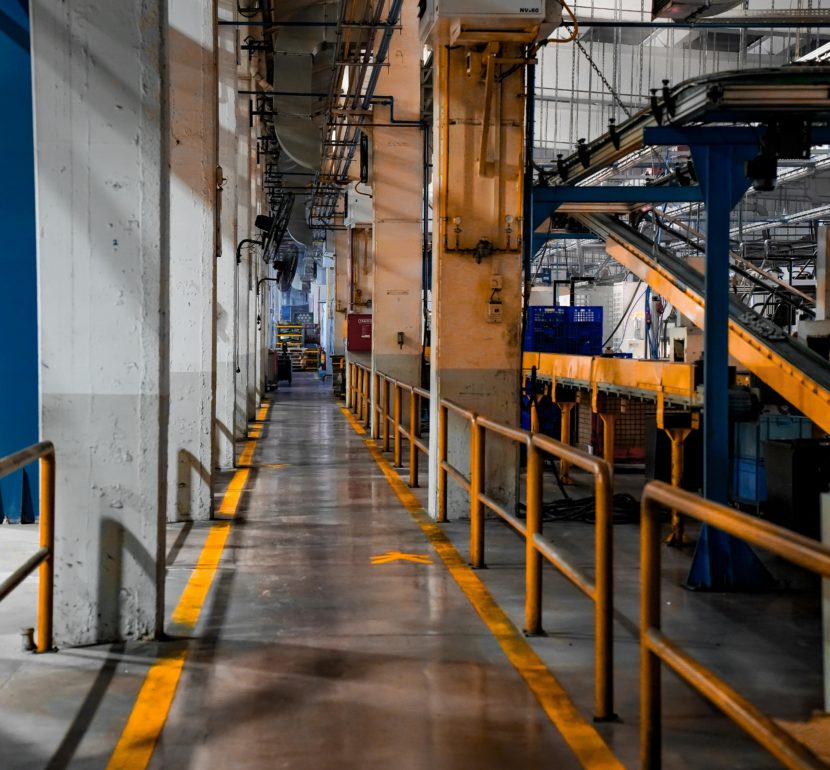
Financial Stakeholders
Enable industry-informed investment decisions
Over the past two decades, StepChange has built a strong track record supporting investors with industry-specific insights and practical perspectives. A capital-intensive industry with strong links to financial stakeholders. Success depends on informed decisions, deep sector understanding and the ability to translate industry dynamics into value creation.
The fiber-based industries are highly capital intensive and therefore closely linked to financial stakeholders, both on the debt and equity side. Large-scale investments, cyclical market dynamics and long asset lifecycles require a deep understanding of industry fundamentals to make informed investment decisions.
Across the value chain, financial investors play a critical role, from financing new capacity and supporting consolidation to driving operational improvement and portfolio optimization. Success in this environment depends on the ability to assess market dynamics, cost positions, asset quality and long-term competitiveness.
Given the complexity and specialization of the industry, financial stakeholders increasingly rely on sector expertise to support their decision-making.
(read more...)
(read less...)
StepChange supports financial stakeholders across the full investment lifecycle, from market and investment studies to commercial and operational due diligence, business plan review and post-deal value creation. We help translate industry complexity into clear investment theses and actionable value creation plans.